Our flagship discipline. From single homes to industrial estates, Vivo Nixon Engineering designs, procures, installs and maintains solar power systems engineered for the Nigerian grid environment.
Unreliable grid supply and rising diesel costs have made solar power a necessity rather than an option for Nigerian homes, businesses and industries. Vivo Nixon Engineering approaches solar not as a product sale but as an engineering discipline — every system we deliver begins with a load assessment, a site survey and a design calculated for the client's actual consumption pattern, not a generic package.
Our solar division covers the complete lifecycle of a solar project: consultancy, design, procurement, installation, commissioning and ongoing monitoring and maintenance, giving clients a single accountable partner rather than a fragmented supply chain.
For homeowners, a solar system from Vivo Nixon Engineering means fewer generator hours, lower fuel spend and dependable power for the appliances that matter most. We design residential systems around your household's actual load — from essential circuits like lighting, refrigeration and networking to full-home coverage including air conditioning and pumping systems.
Every residential installation includes a site survey to assess roof orientation, shading and structural suitability, followed by a system design that specifies panel count, inverter sizing and battery capacity matched to your budget and expectations. We handle procurement of certified components, professional installation by trained technicians, and full commissioning with a client walkthrough before handover.
Homeowners can choose from grid-tied systems that reduce utility bills, hybrid systems that combine solar, battery and grid power for maximum resilience, or fully off-grid systems for locations without reliable grid access. Every residential system is backed by a workmanship warranty and an optional annual maintenance contract.
Commercial power costs — diesel, maintenance and downtime — directly affect business margins. Vivo Nixon Engineering designs commercial solar systems for offices, retail outlets, hotels, schools, healthcare facilities and hospitality businesses that need dependable power throughout operating hours without the noise, cost and maintenance burden of generators.
Our commercial design process begins with a detailed energy audit of your facility, mapping load profiles across departments and operating hours. From there, we engineer a system — whether rooftop, ground-mount or car-park canopy — sized to offset the highest proportion of your diesel and grid dependency, with battery storage calculated against your critical-load requirements.
Commercial clients benefit from our project management approach: transparent technical proposals, defined installation timelines that minimise business disruption, and post-installation monitoring that gives facility managers visibility into system performance and savings achieved.
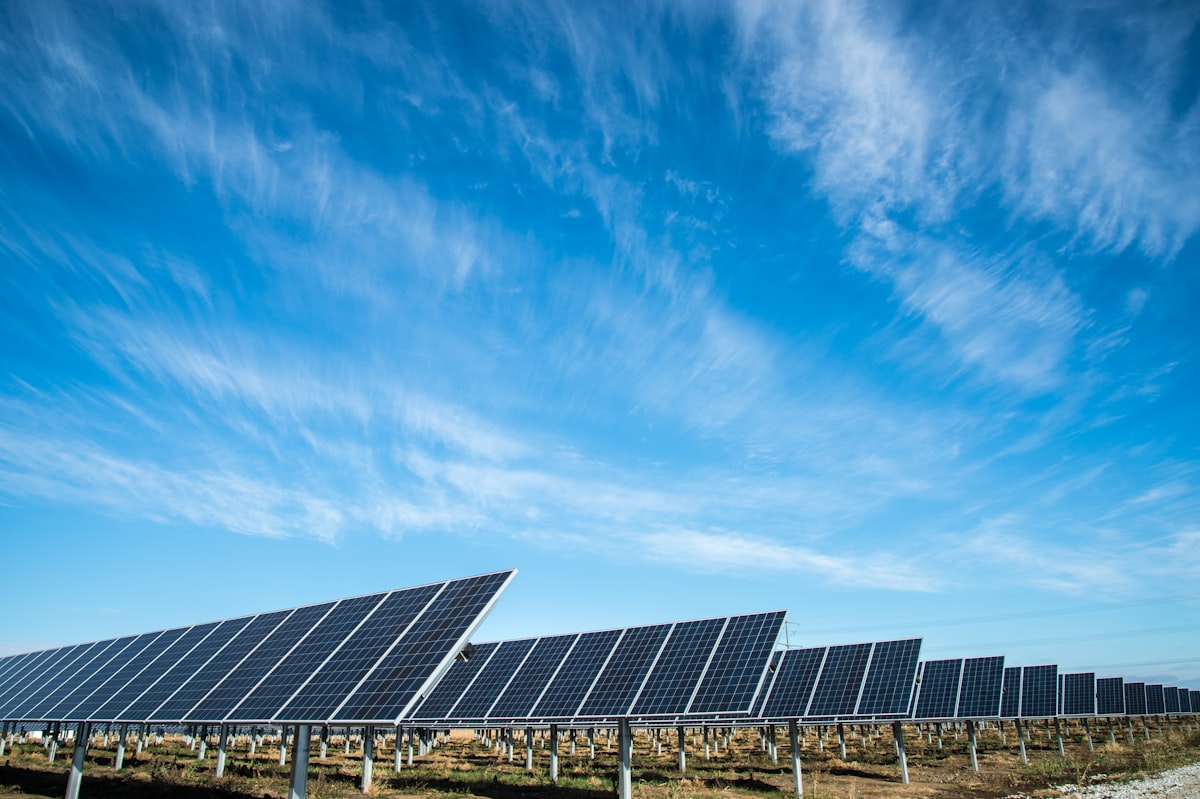
Manufacturing plants, processing facilities and industrial estates require power solutions engineered for continuous, high-demand operation. Vivo Nixon Engineering designs industrial solar systems and solar farms that integrate with existing plant electrical infrastructure, supported by technical documentation suitable for insurance, financing and regulatory purposes.
Our industrial engineering team conducts full electrical load studies, harmonics assessment and structural evaluation before proposing a system architecture — whether a rooftop industrial array, a ground-mounted solar farm, or a hybrid solar-diesel-grid configuration designed to minimise fuel consumption while maintaining production continuity.
For larger deployments, we manage the complete EPC (engineering, procurement and construction) process, including civil works, mounting structure design, cable management, protection systems and grid synchronisation, with commissioning tested against the client's actual production load before formal handover.
Choosing the right system architecture is as important as the equipment itself. We design and specify each of the following configurations based on a client's grid reliability, budget and resilience requirements.
Fully self-contained systems for locations with unreliable or no grid access, combining solar generation with battery storage sized to cover night-time and low-sun periods without any utility dependency.
The most popular configuration for Nigerian homes and businesses — solar and battery storage work alongside grid power, automatically prioritising the cheapest and most reliable available source.
Systems designed to run synchronised with grid power, reducing utility consumption during daylight hours for clients on stable grid connections seeking cost savings without battery storage.
Battery storage is the component that determines how much genuine independence a solar system delivers. We specify and install both lithium-ion and other deep-cycle battery technologies, sized against real household or facility load profiles rather than generic assumptions.
Lithium battery systems are increasingly the standard for Nigerian installations due to their longer cycle life, lighter footprint and higher usable depth of discharge compared to older battery chemistries. Our engineers size battery banks to balance upfront cost against the autonomy period a client requires, and configure battery management systems to protect the investment over its full service life.
All-in-one and split solar street lighting for estates, roads and public infrastructure, engineered for Nigeria's solar irradiance profile.
Solar-powered borehole pumping systems delivering reliable water access without diesel-powered generators.
Submersible and surface solar pump systems sized for agricultural, residential and community water supply needs.
Specification and supply of grid-tied, hybrid and off-grid inverters matched to system architecture and load requirements.
Integrated backup power solutions combining solar, battery and automatic transfer switching for seamless supply continuity.
Detailed consumption analysis identifying load reduction opportunities before any system is designed or sized.
Technical system design including load calculations, panel layout, cable sizing and protection scheme specification.
Sourcing of certified panels, inverters, batteries and balance-of-system components from vetted manufacturers.
Professional installation by trained technicians following documented safety and quality procedures.
Full system testing and performance verification against design specification before client handover.
Remote and on-site performance monitoring to track generation, consumption and system health over time.
Independent technical advisory for clients evaluating solar investment, financing or third-party proposals.
Scheduled inspection and cleaning of panels, torque-checking of electrical connections, battery health checks and inverter diagnostics carried out on a fixed schedule to catch issues before they affect performance.
Rapid-response repair services for underperforming or faulty systems, including component replacement, fault diagnosis and system re-commissioning, whether or not the original installation was carried out by Vivo Nixon Engineering.
Comprehensive annual contracts bundling preventive visits, priority corrective response, performance reporting and discounted component replacement — the recommended option for commercial and industrial clients seeking predictable uptime.
Most residential installations are completed within 3–7 working days from survey to commissioning, depending on system size and site conditions.
We work with clients on structured payment plans and can advise on third-party financing options depending on project size. Speak to our team to discuss what fits your project.
All installations carry a workmanship warranty from Vivo Nixon Engineering, in addition to manufacturer warranties on panels, inverters and batteries, details of which are provided at proposal stage.
Yes. Our maintenance division services and supports existing solar installations regardless of the original installer, following an initial system assessment.